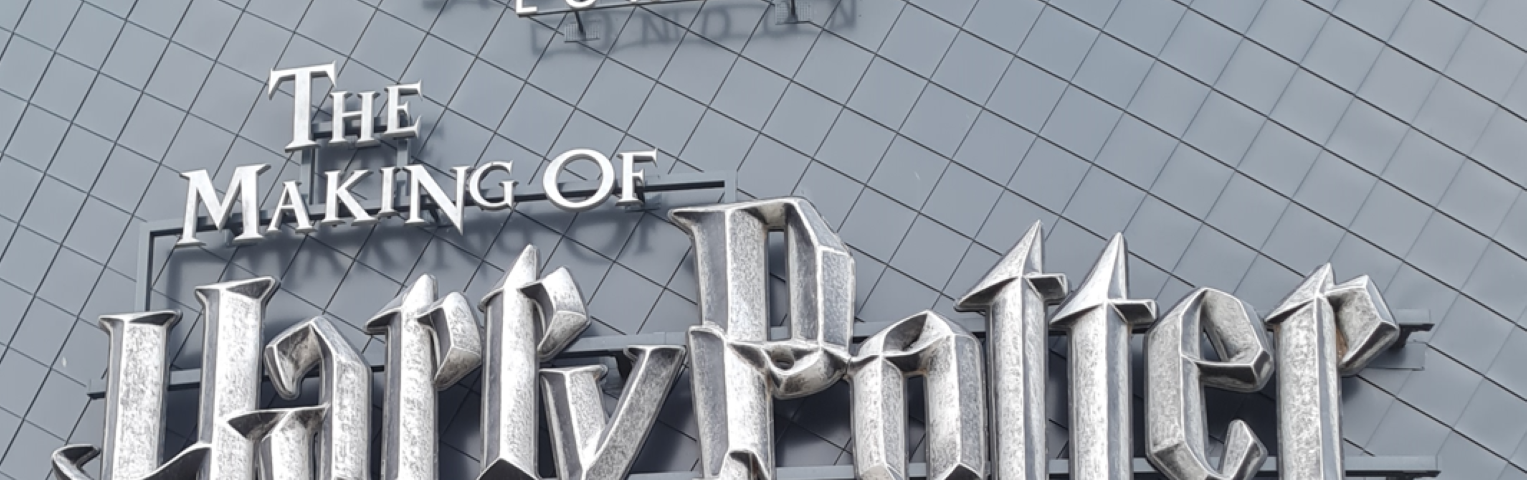
Surely nobody has read JK Rowling’s epic series and not loved it. The trials that she set Harry and his companions are those that every school child faces, as well as the deadly threat from an old nemesis.
The seven-book series became a hit on the big screen too, with scripts far more faithful to the books than most movies allow. Last week we visited the studio where Harry Potter was filmed and took a trip around the memorabilia and sets of Hogwarts and more…
Leavesden Studio Tour, London
Warner Brothers own the studio at Leavesden where Harry Potter was filmed. Two permanent soundstages were built to house the exhibition of props and sets which were actually used in the movies. The Harry Potter tour takes place here and takes visitors on a wonderful trip of nostalgia for fans of the show, and explains how many of the magical special effects were achieved.
The tour is as long or short as you make it, with the majority being self-led, but it is advised that it takes around three hours to work around everything. We were there for slightly longer if anything, but there was plenty of content to keep us entertained for all of that time.
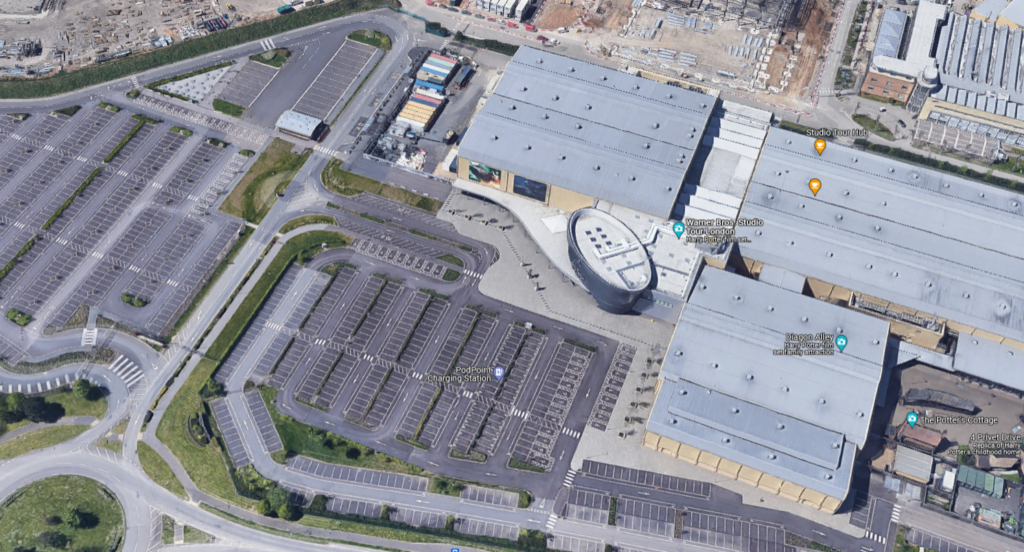
Sets
The film series went through plenty of sets over the years of filming. Often a set would be painstakingly put together, used for a scene or two, and then dismantled the following day to make space for something else, but there are a number of permanent sets which featured in every movie, and have been retained in this permanent exhibit.
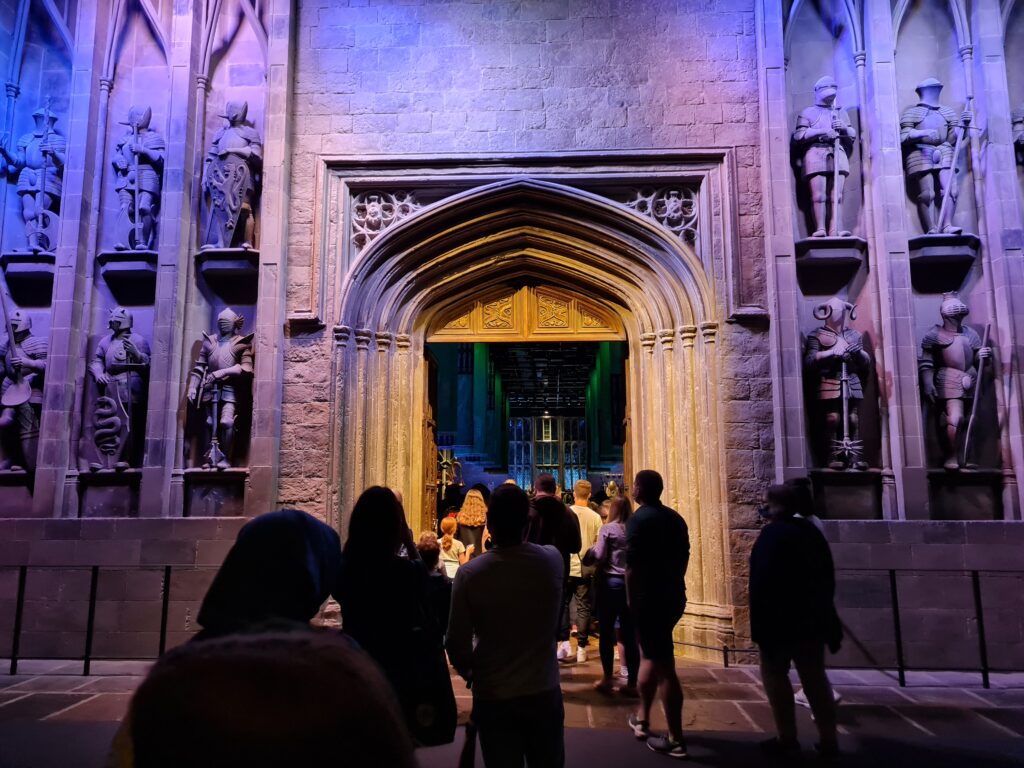
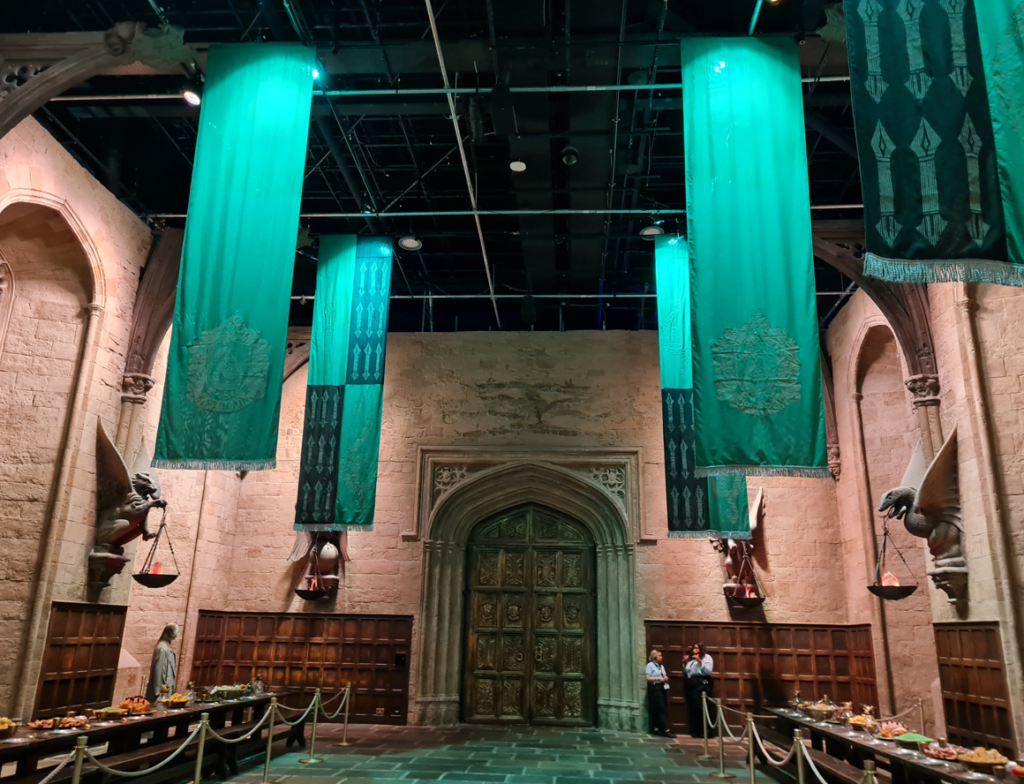
The Great Hall at Hogwarts is the first of these that visitors come across, and it is every bit as magical as Rowling imagined it. Being such an integral part of the films there was no expense spared to create an authentic hall which could be used time and again.
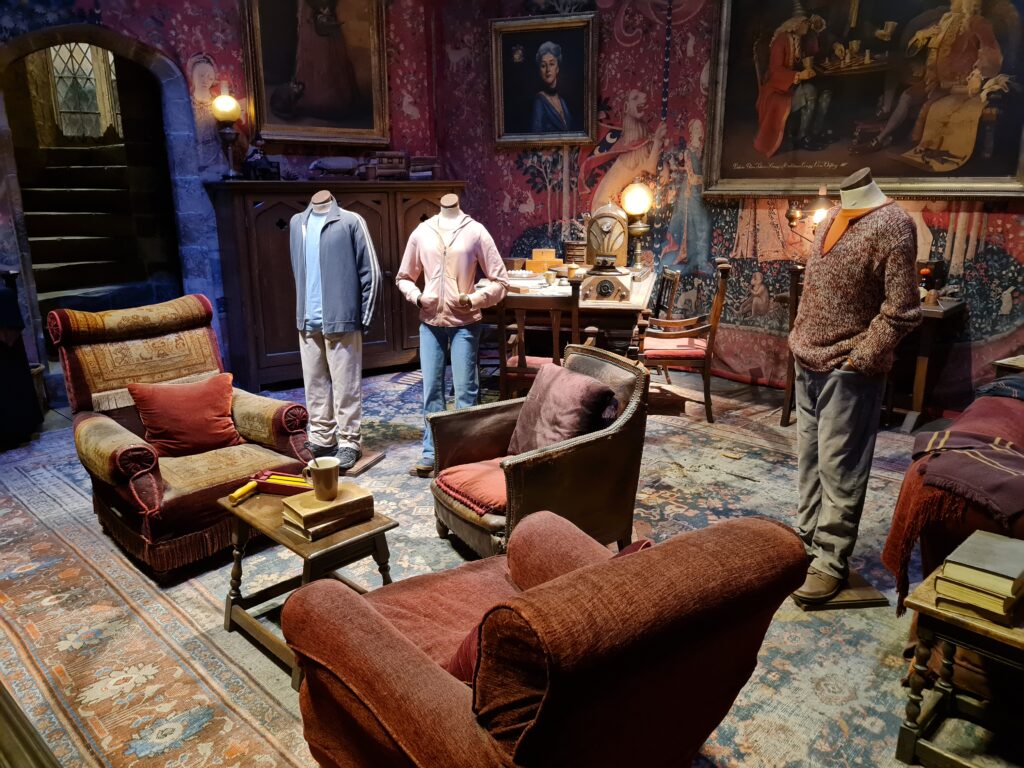
Staying within Hogwarts, there are the various common rooms and dormitories, such as the Gryffindor common room. These are filled with artefacts and trivia from the movies.
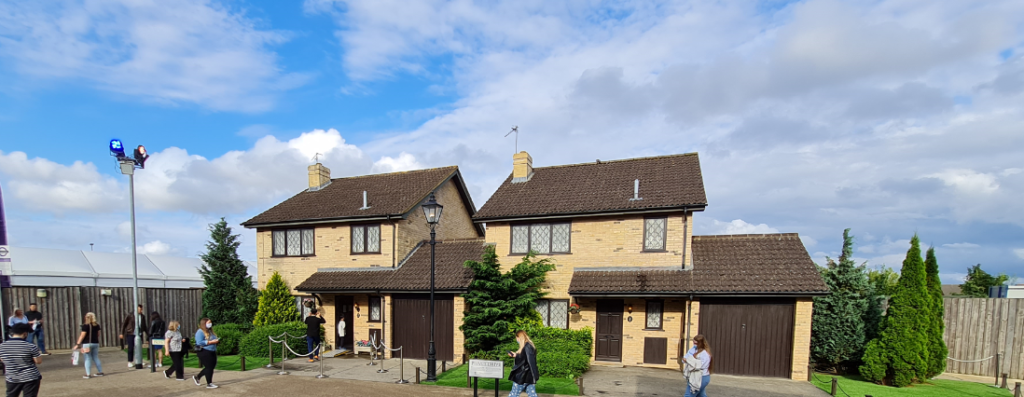
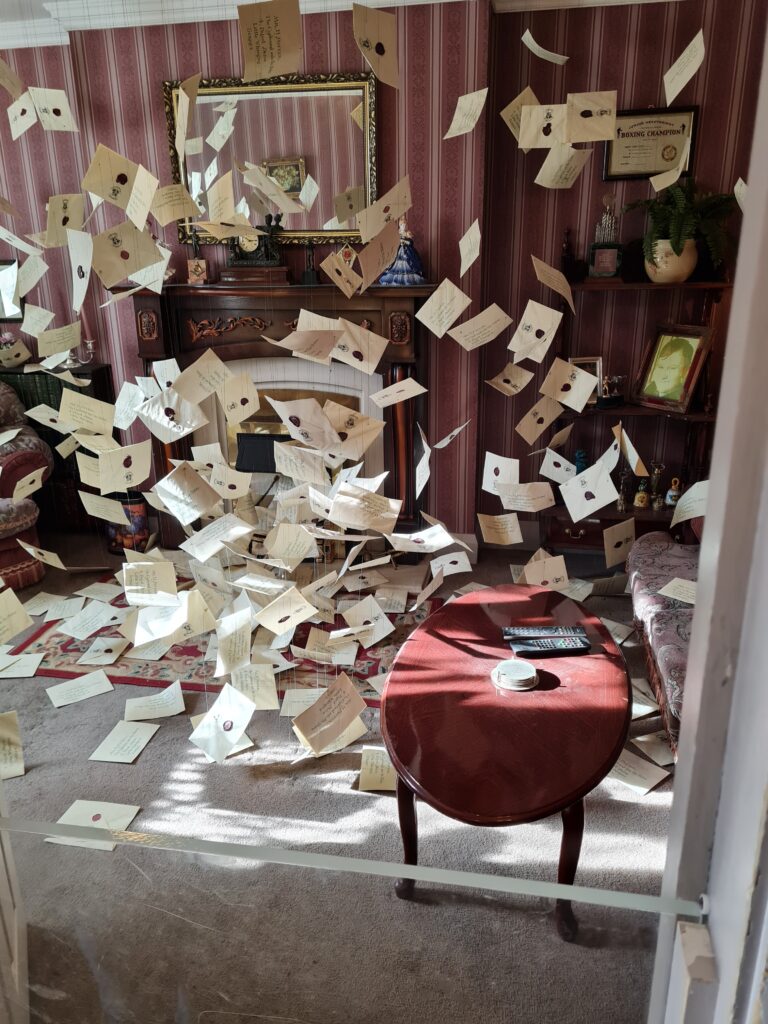
Moving back home, we see the houses of Privet Drive, complete with the scene of Harry’s Hogwarts letters trying to reach him.
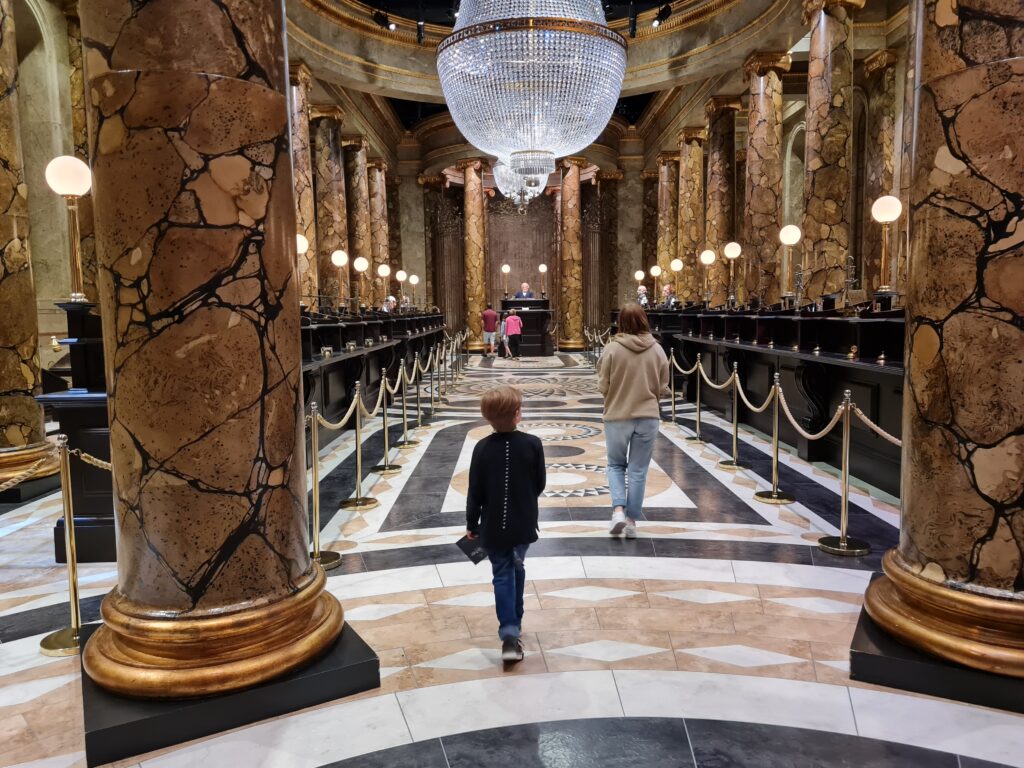
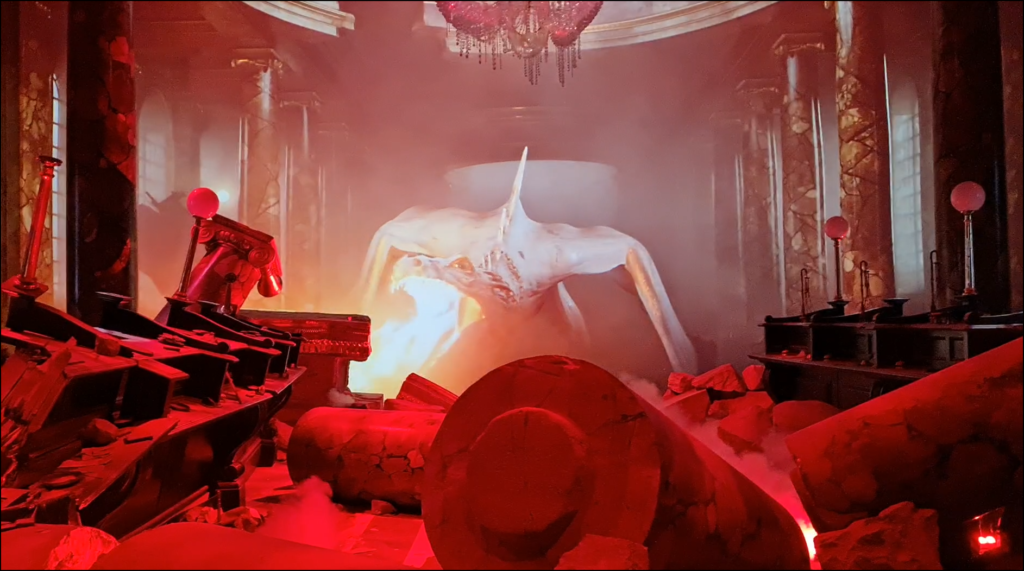
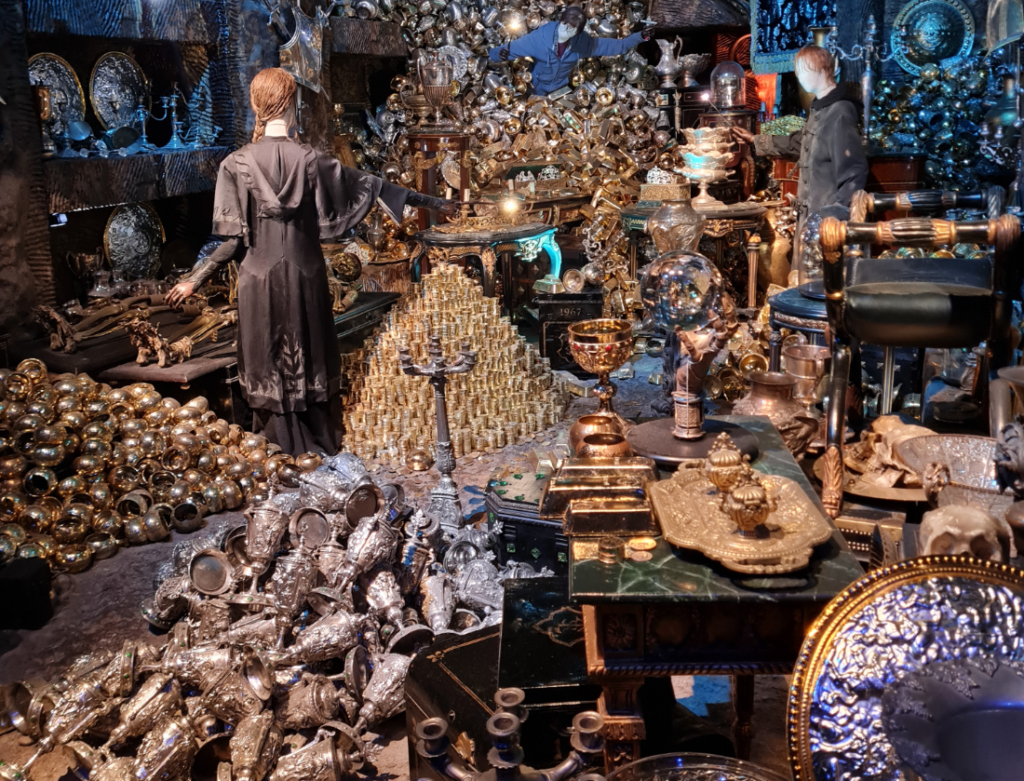
Possibly the most awe-inspiring set is that of Gringott’s Bank. The main hall in which the goblin bank tellers conducted their business, watched over by Chief Teller Ricbert, is as perfect and polished as you would expect. The devastation in the following room uses a much shortened set and a projection screen to bring the dragon to life.
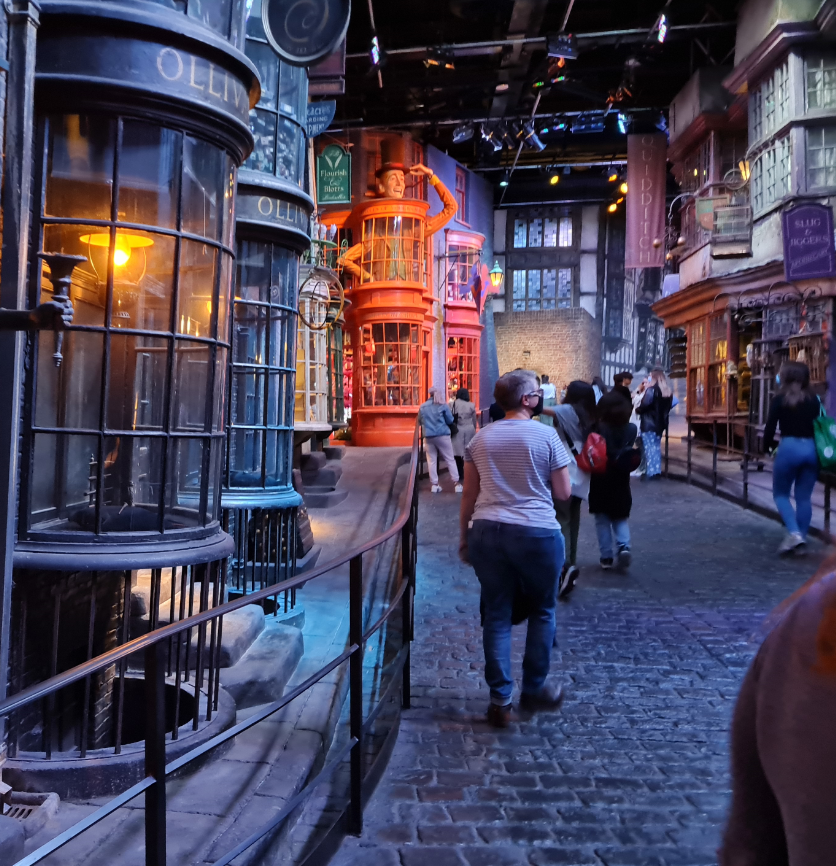
One of the most complex sets on show is the well-travelled Diagon Alley. This features numerous times in the movie series. Possibly the most memorable is Harry’s first visit, and his first experience with wizardry in public, when he went to Ollivander’s to have his first wand select him.
Costumes
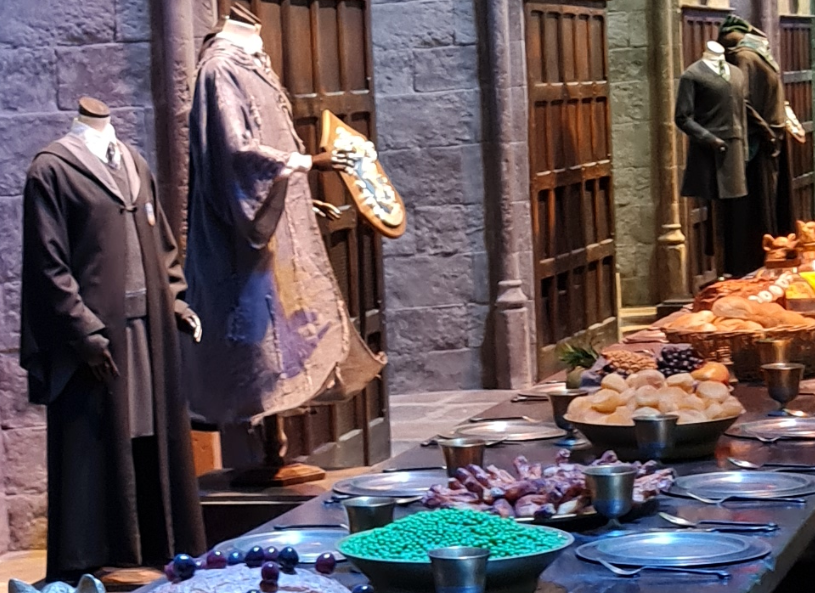
All around the studio are various costumes for a lot of the characters. There are the various school uniforms in the Great Hall, as well as a number of Hogwarts staff outfits.
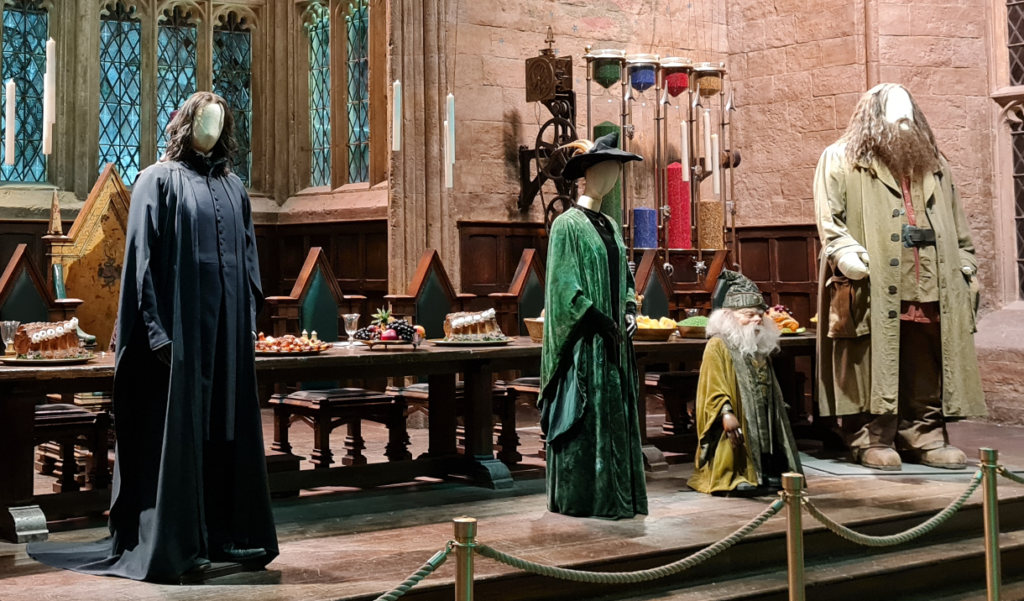
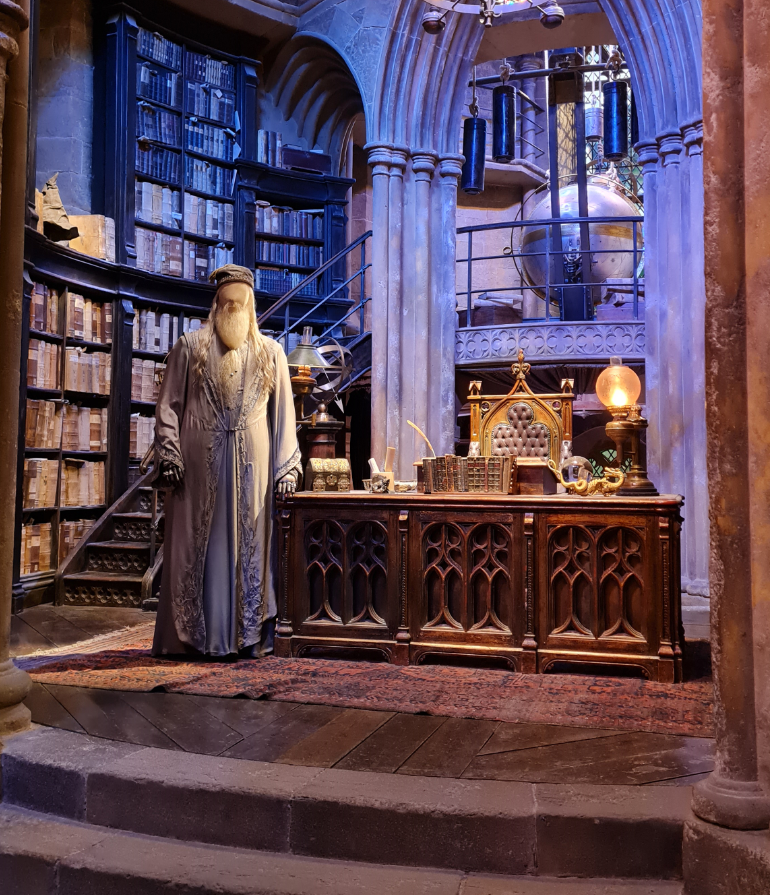
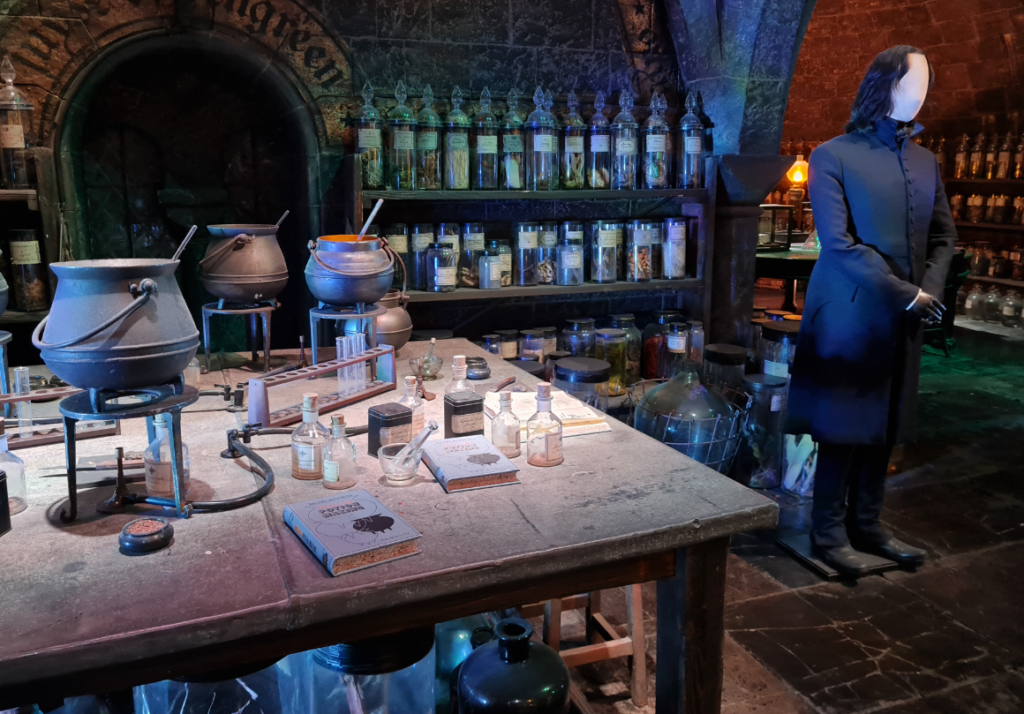
Dumbledore can be seen in his office, and Snape is found in his potions lab.
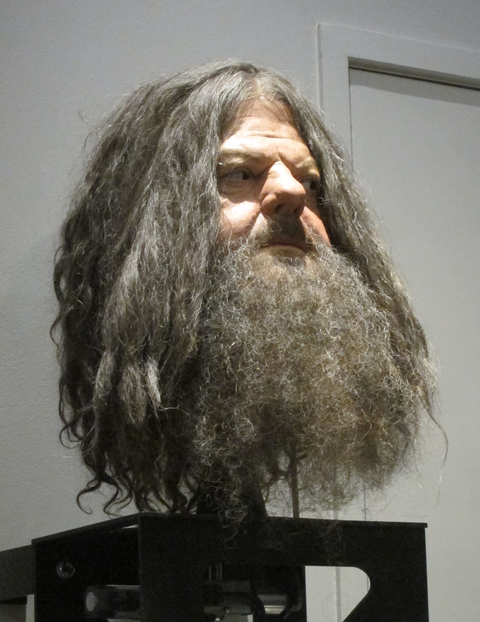
Aside from the characters’ costumes, there are numerous face masks and animatronic creations. A model of Hagrid, the humongous 8′ 6″ gamekeeper of Hogwarts, makes it possible for a man to appear as large as the book portrays from a distance. For close-up shots the actor Robbie Coltrane takes the reins, but when he needs to be filmed larger than his co-actors his animatronic double takes over.
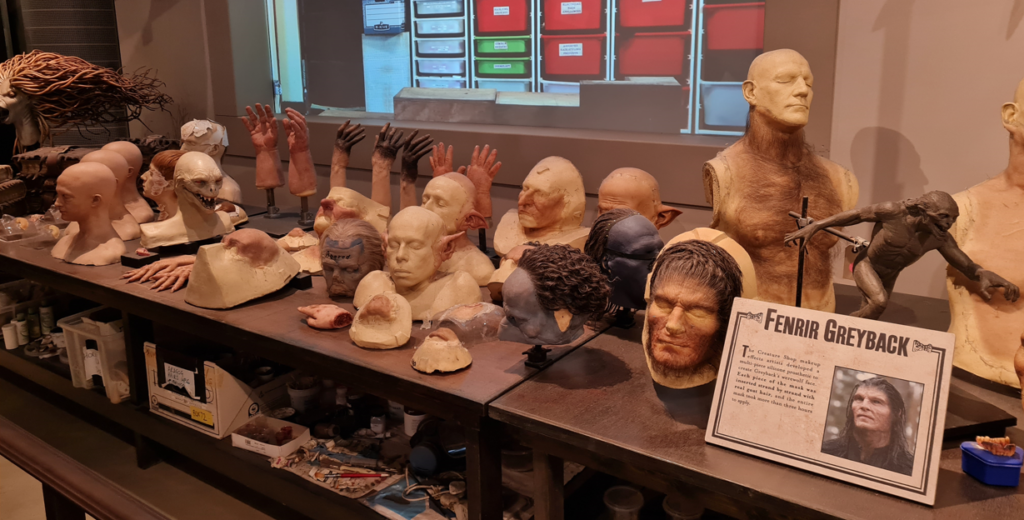
Other characters needing masks are the various goblins of Gringotts Bank. These are bespoke to the actor wearing them, with numerous stages in the process of creating the masks. The first stage is to make a plaster cast of the actor’s head, and then the goblin features are moulded around this.
Props
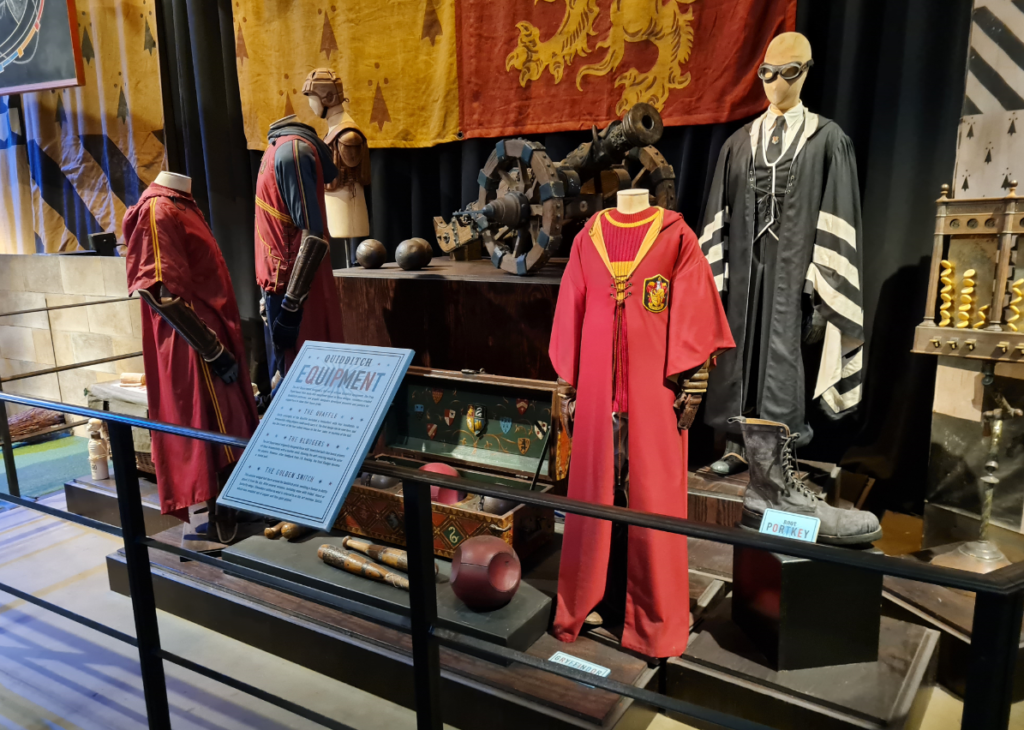
A section dedicated to Quidditch can be found in the first studio, with costumes, the various pieces of Quidditch game equipment, and the Boot portkey which transported Harry and his friends to the Quidditch World Cup.
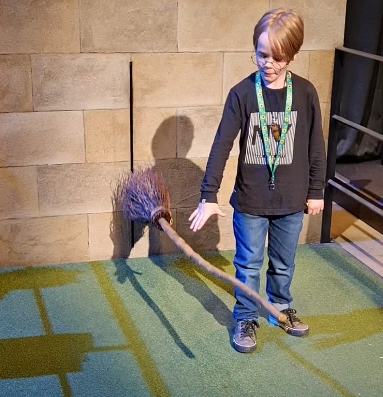
Going back to basics with broomstick riding, there is an opportunity for young wizards and witches to test their skills at controlling the broomstick and commanding it to come up into their hand.
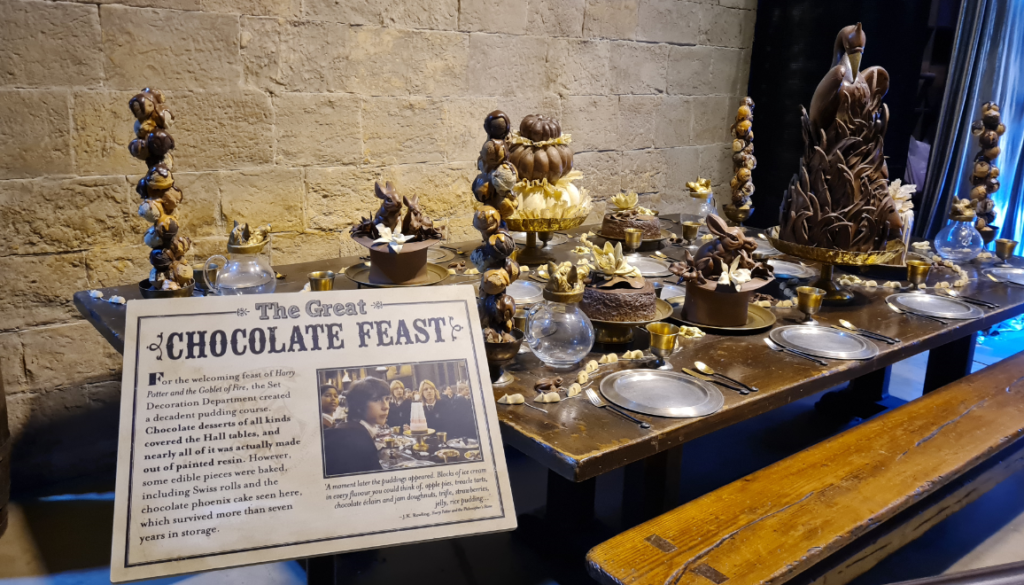
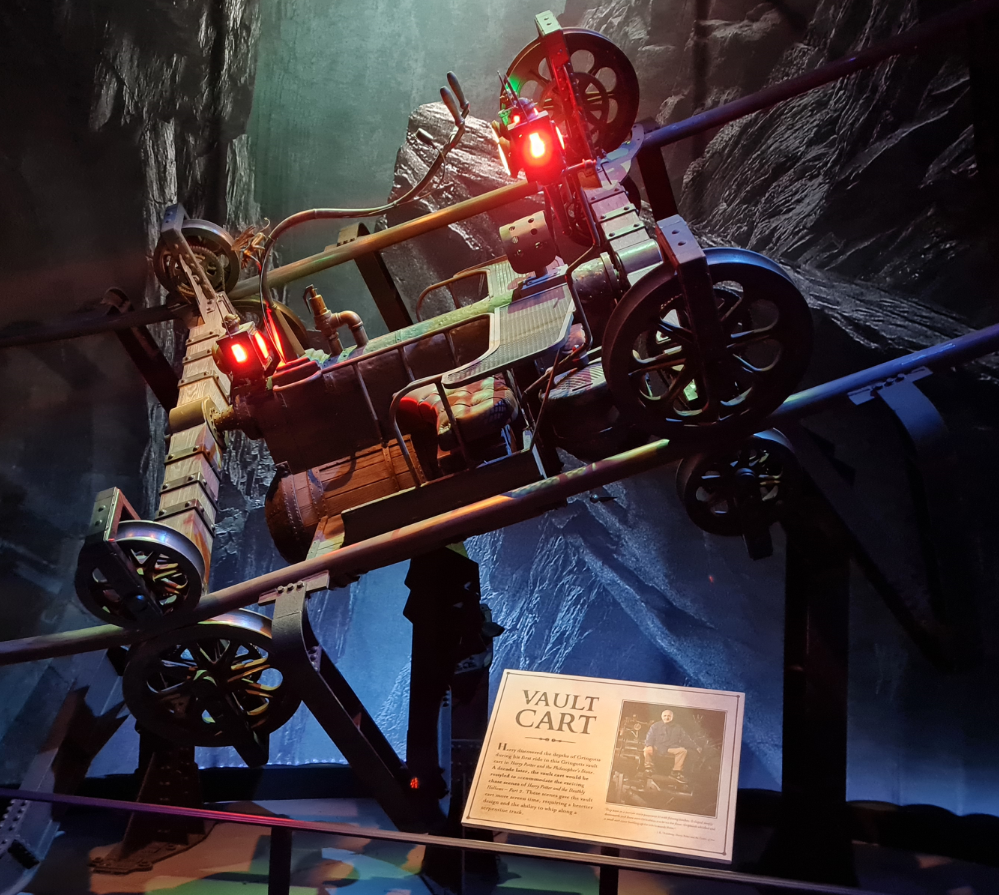
There are scenes from the shows, such as the Great Chocolate Feast, the Vault Cart, and the L’Estrange family Vault.
Cinematography
The filming of Harry Potter wasn’t without its challenges. The magical characters have a range of different sizes and appearances, and they have magical capabilities. The creatures in the series are imaginary on the whole, and some have intelligence which their real-world counter-parts can’t match. The sets are immense and complex, and they have a magical, quirky quality to them.
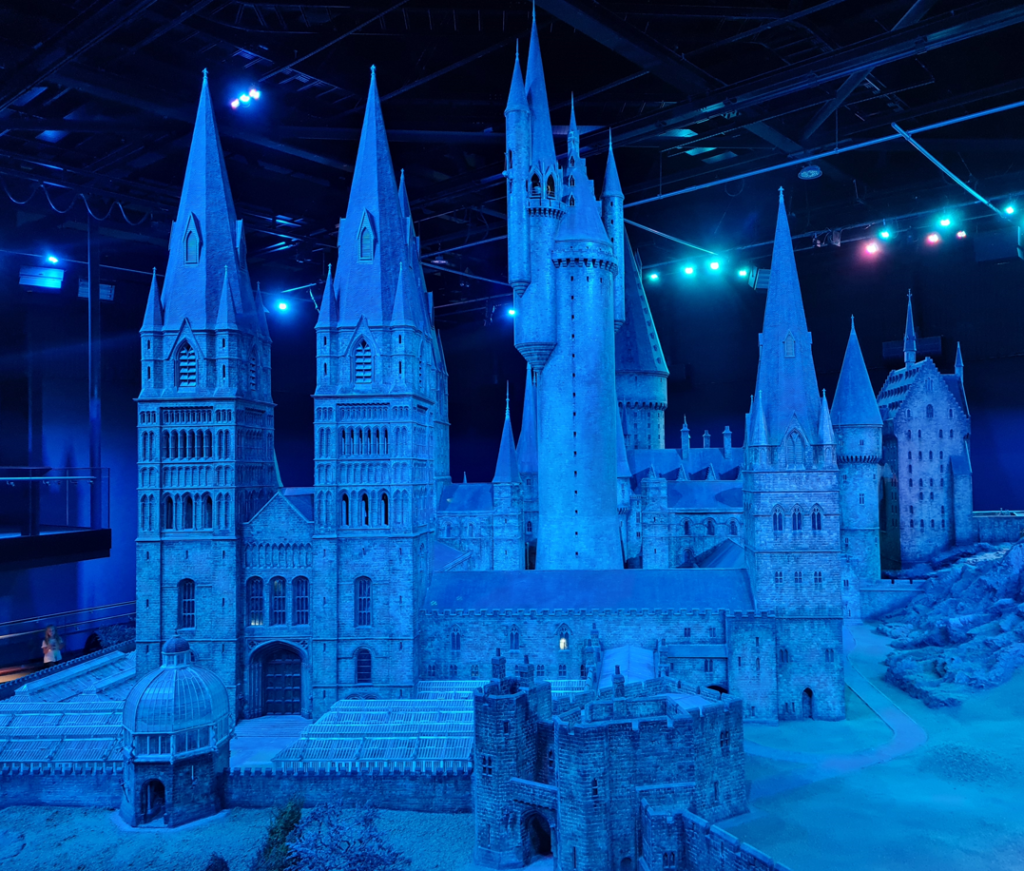
The biggest and most used set of all is actually quite small. It still fills a room, but you wouldn’t fit through the front door or even in the courtyard. The castle of Hogwarts is a fantastically detailed model above which a camera can soar to take the sweeping shots of the school which feature in the films.
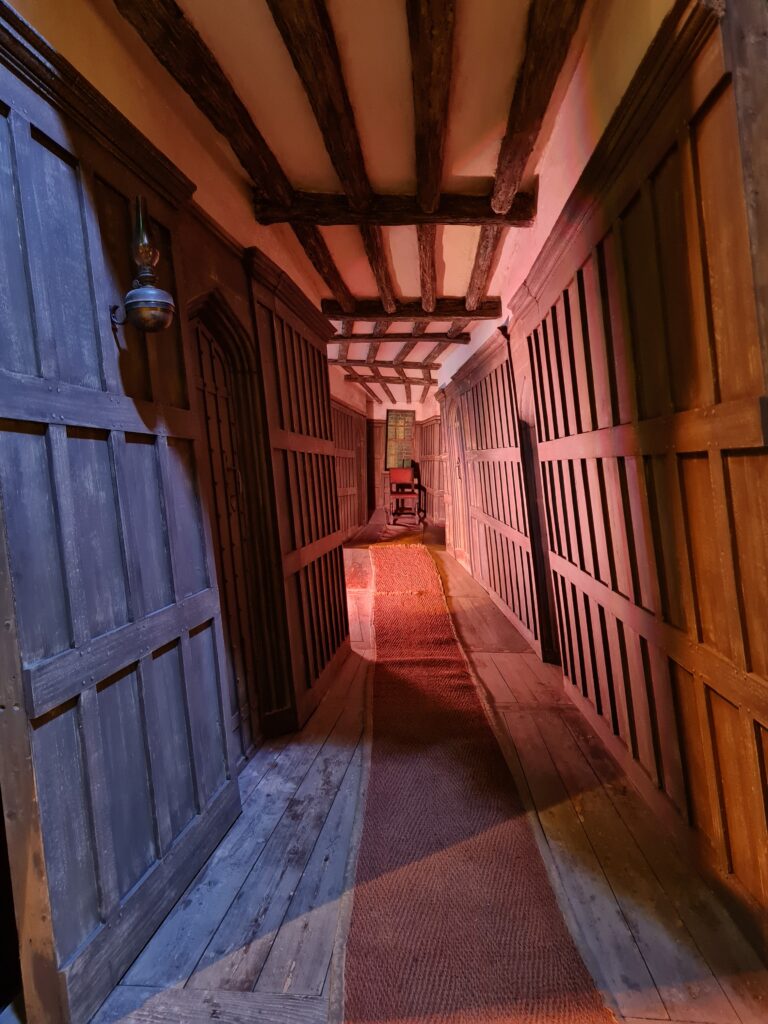
Other sets use clever cinematography techniques such as forced perspective to give the illusion of varying sizes or orientations. The corridor in the Leaky Cauldron is supposedly around 50 metres in length, but the actual prop is only a few metres long. The deviously shaped floorboards and beams are angled and positioned to give the illusion of a greatly extended corridor. The seat at the end is actually very small instead of far away.
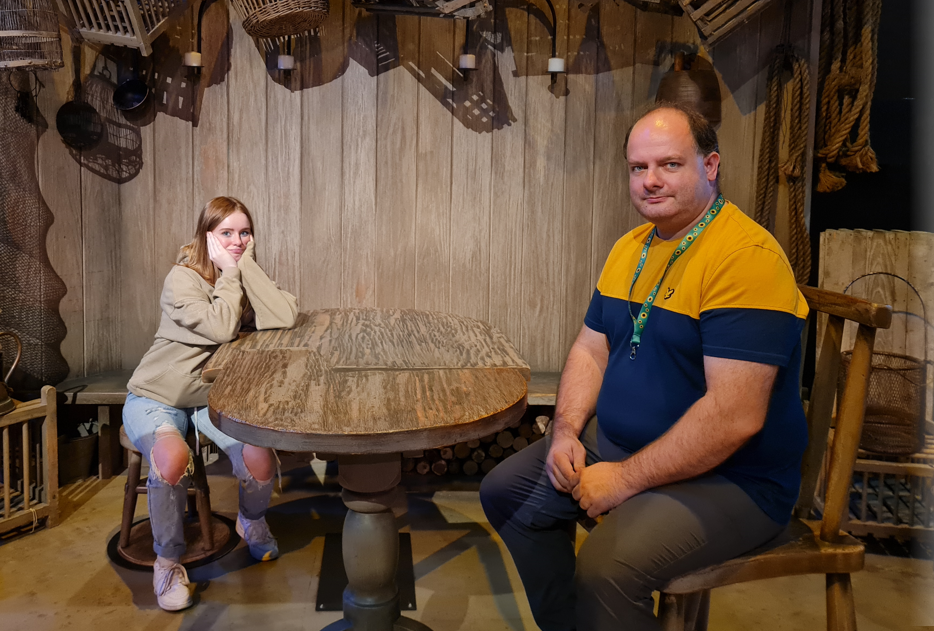
Another scene in the Leaky Cauldron shows Hagrid sitting at a table with Harry and his friends. Hagrid, of course, is much larger than the others, and a trick of the camera helps create this illusion with a split table. There is a replica of this table in the studio and guests are invited to take photographs of themselves sitting here.
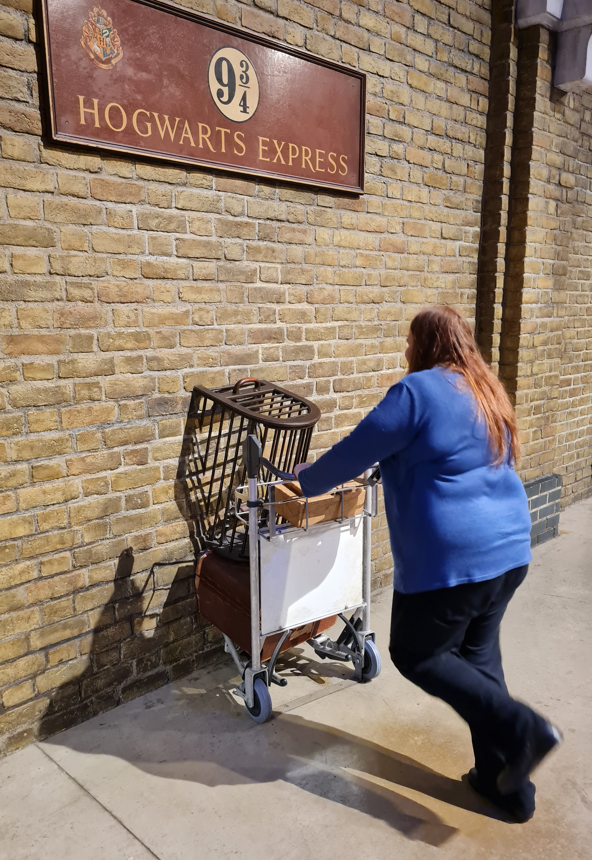
Platform 9 3/4
Towards the end of the first half of the tour you come across the Hogwarts Express. The engine itself is there, and visitors are encouraged to take a look through the carriages. There is also an interactive video shoot which lets visitors sit in a model of a carriage while activities outside the window happen. The whole thing is filmed and you can see your video afterwards.
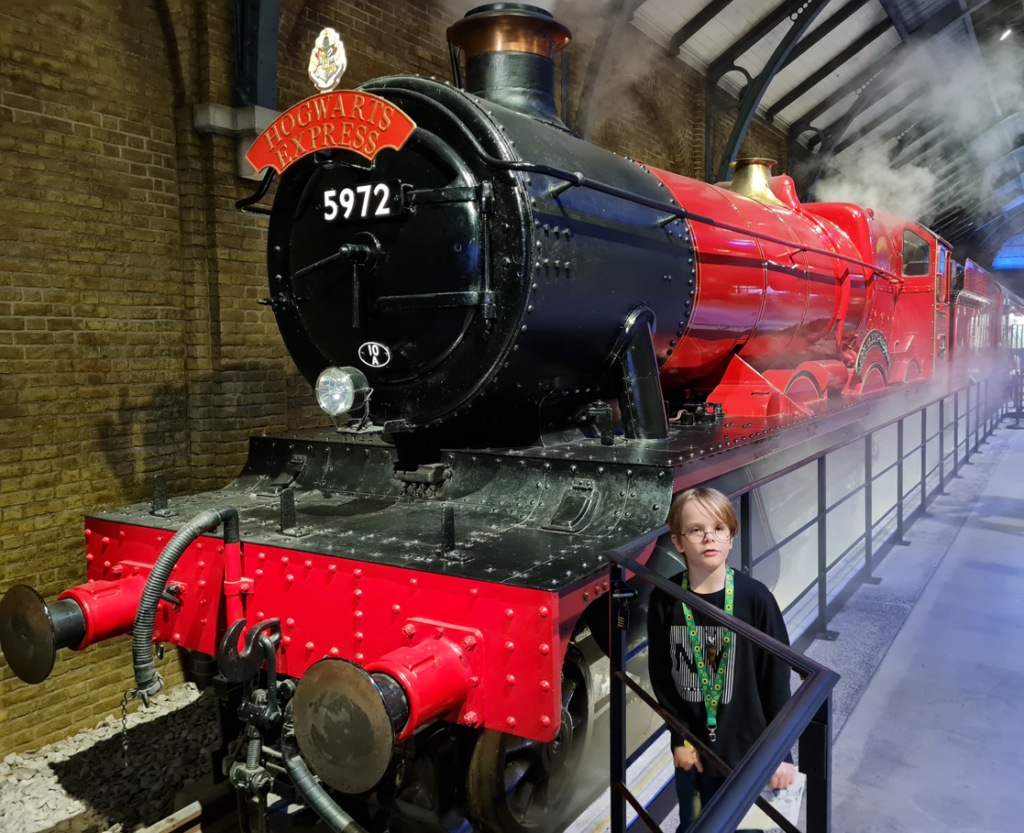
The engine is real, and was originally built in 1937 in Swindon before entering service in South Wales. It’s official designation is a Great Western Railway 4900 Class 5972 Olton Hall. It was in service until 1963 in a variety of roles, and was eventually sold for scrap in 1964. It was restored between 1994 and 1998, and was loaned to Warner Bros for use as the Hogwarts Castle in the movies.
Other Info
The studio is actually split across two studios. Half-way through the tour there is a restaraunt and butterbeer bar. We stopped here for a butterbeer each, but it really wasn’t as yummy as it was portrayed in the movies! Perhaps it is an acquired taste, or maybe only magical folk are able to appreciate it…
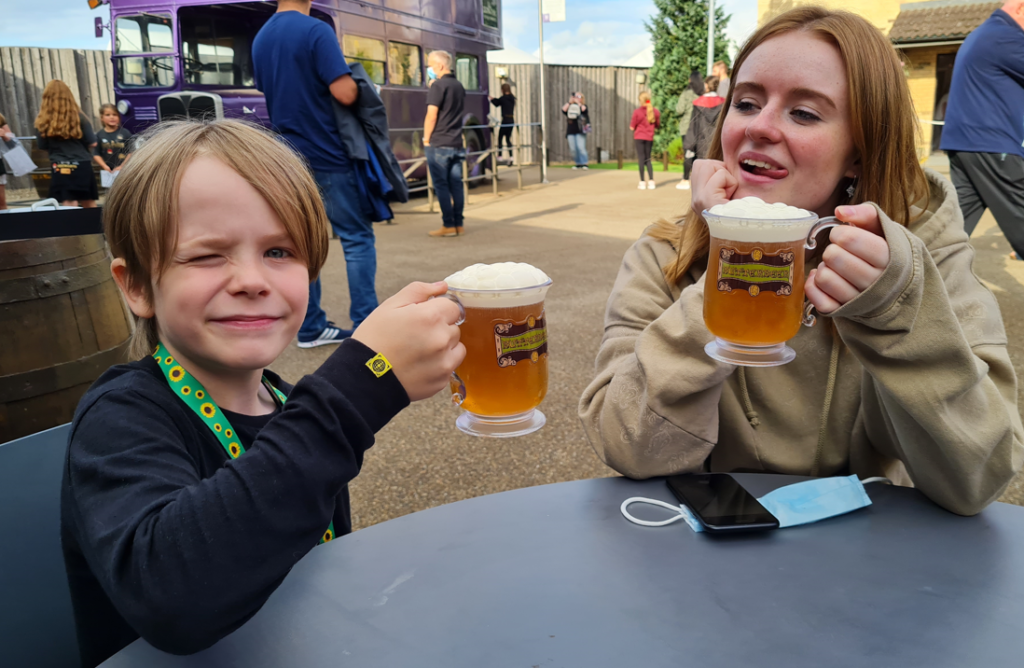
Car parking was not a problem, and the staff were very helpful throughout. It was busy in the restaraunt, but otherwise the crowds were not a problem for the size of the studios.
For more info on the attraction visit wbsl.com.
Part of the tour is to find the various snitches hidden around the studios, and to find answers to the clues. This helps focus your attention on the different displays as you walk around, and makes sure you don’t skip things.
Our tribe loved their visit. There are probably things that we didn’t see, but we spent several hours taking everything in. We’d probably consider visiting again if we were in the area.